Quick Summary
- No-KYC casinos let you register, deposit, play, and withdraw without submitting identity documents
- Most no-KYC operators are crypto-first sites; your wallet address effectively becomes your account
- The main trade-off: faster onboarding and privacy versus weaker regulatory protection and dispute options
- Legitimate no-KYC sites still hold gambling licenses, publish provably fair games, and set transparent withdrawal limits
- The safest approach: treat no-KYC casinos as high-risk entertainment and never deposit money you cannot afford to lose
Table of Contents
- What Is a No-KYC Casino?
- Why No-KYC Casinos Exist
- The Real Risks: Licenses, Blocks, and Disputes
- Crypto Casinos Without Verification
- How to Spot a Legitimate No-KYC Operator
- Withdrawal Limits Without KYC
- The Responsible Way to Play
- Pros & Cons of No-KYC Casinos
- Frequently Asked Questions
- Conclusion
What Is a No-KYC Casino?
A no-KYC casino is an online gambling site that lets you register, deposit, play, and withdraw without submitting identity documents. Instead of a passport scan and proof of address, you sign up with an email or a crypto wallet and start playing within minutes.
Operators use the term loosely, so distinguish three levels:
- Fully anonymous — no registration data; a crypto wallet address is your entire account, and withdrawals return to it.
- KYC-lite — registration with just an email and username; no document uploads, but the casino keeps basic account data.
- KYC-on-demand — no verification for small amounts, but documents are requested above a threshold or when fraud filters trigger.
The level matters: “no KYC” on the homepage often means “no KYC until you win big.”
Why No-KYC Casinos Exist
No-KYC casinos are not a loophole by accident — they serve real demand from several groups of players:
- Privacy-conscious users. Casino accounts collect IDs, addresses, and banking details, and gambling-site data breaches are common. Many players simply do not want to hand over their identity to another operator.
- Crypto-native players. For people who already use Bitcoin and stablecoins daily, uploading a passport to gamble feels as outdated as sending a check. Wallet-based accounts match how they already transact.
- Players in restricted regions. Where online casinos are unregulated or banks block gambling transactions, no-KYC crypto sites are often the only option that works.
- Speed-focused players. Zero documents means zero waiting — registration, first deposit, and first withdrawal can all happen within an hour.
None of these motivations make no-KYC casinos inherently good or bad — just different, with trade-offs worth understanding before you deposit.
The Real Risks: Licenses, Blocks, and Disputes
The biggest mistake is assuming “no KYC” means “no regulation.” In reality, the absence of KYC often correlates with the absence of oversight. Here is what can go wrong:
- No license, no recourse. If an unlicensed site refuses to pay, there is no regulator and no dispute body to force a resolution — your only lever is a negative forum post.
- Payment blocks. Some processors and banks refuse transactions to anonymous gambling sites, and chargebacks are effectively impossible with crypto.
- Account freezes. The most common complaint is not theft at deposit but a sudden freeze at withdrawal, with the site demanding “verification” never mentioned before.
- Bonus traps. Unlicensed operators can change terms retroactively or apply hidden max cashout rules with zero accountability.
- Responsible gambling gaps. Anonymous sites rarely enforce deposit limits or self-exclusion, because they cannot verify who is playing.
| Red Flag | Legitimate Operator | Gray Operator |
|---|---|---|
| License | Holds a recognized license (e.g., Curacao) | No license or a fake “registration” claim |
| Fairness | Provably fair games with verification tools | No verification option, opaque results |
| Terms | Clear withdrawal limits and pending times | Vague rules, hidden caps, retroactive changes |
| Reputation | Years of player reports, active on forums | Short history, mass account bans |
| Support | Responsive 24/7 support | Slow or unreachable when problems appear |
The safest middle ground: choose licensed operators that offer low-KYC or crypto-only gameplay, not unlicensed sites promising total anonymity.
Crypto Casinos Without Verification
The no-KYC market is overwhelmingly a crypto market. Because crypto does not require banks to move money, crypto casinos avoid the payment-rail scrutiny that forces fiat sites to collect identities.
How it typically works:
- You register with an email or simply connect a wallet address.
- You deposit BTC, ETH, USDT, SOL, or another coin to a generated deposit address.
- You play provably fair games — dice, crash, slots — where the fairness math is verifiable.
- You withdraw back to your wallet, often in minutes, with no documents ever requested.
For a full picture of crypto deposits and bonuses in 2026, read our bitcoin and crypto casino bonuses guide. Note that crypto-only does not mean safe — provably fair math proves the games are honest, not that the operator will pay. Verify a few rounds, then test a small withdrawal.
How to Spot a Legitimate No-KYC Operator
Use this checklist before depositing a single dollar:
- Check the license claim. A legitimate no-KYC site will still hold a license — Curacao is common in crypto gambling. Verify the license number on the regulator’s site.
- Demand provably fair games. If the casino cannot show you a verification tool for its games, walk away. Fair math is the minimum standard.
- Read the withdrawal policy twice. Look for limits, pending times, and any clause allowing the casino to request KYC “at its discretion.”
- Search player reports. Bitcointalk and Reddit contain years of payout and freeze reports for established crypto casinos; a pattern of frozen withdrawals is disqualifying.
- Test with a minimum deposit. Deposit the smallest amount, play a couple of rounds, and withdraw immediately. If the tiny payout arrives, the system works; scale up gradually.
- Talk to support before depositing. Ask: “Do you ever require KYC for withdrawals?” The answer reveals which of the three levels you are dealing with.
- Check responsible gambling tools. Even anonymous sites can offer deposit limits and self-exclusion. Their absence is a warning sign about the operator’s culture.
Withdrawal Limits Without KYC
“Unlimited anonymous withdrawals” is marketing fiction. Every no-KYC casino has limits — they differ in how high they are:
| Operator Type | Typical No-KYC Limit | Typical Speed |
|---|---|---|
| Fully anonymous crypto-only | $1,000–$10,000 per day | Minutes to a few hours |
| KYC-lite (email only) | $2,000–$5,000 per week | Hours |
| Licensed hybrid (KYC on demand) | Up to $2,000–$5,000 before documents are requested | 24 hours or less |
| High-stakes crypto VIP | $50,000+ per day, usually after some verification | Minutes |
Two reminders: the limits above are typical industry ranges, not offers — check the casino’s cashier page. And a “limit” is a tripwire: cross it, and KYC-on-demand operators will ask for documents. If you are not willing to provide them, keep your balance below the threshold.
The Responsible Way to Play
No-KYC casinos remove the guardrails of regulated gambling, making personal discipline your only protection. Take it seriously:
- Treat it as entertainment. Money deposited at an anonymous casino should be money you are prepared to lose. It is not an investment.
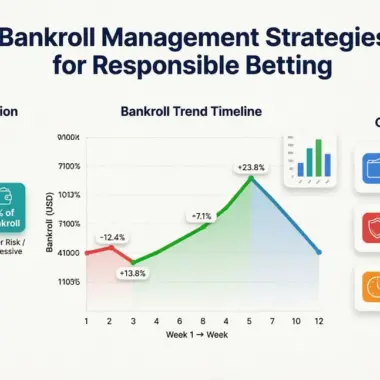
- Set a budget and stick to it. Decide your monthly gambling budget in advance and never exceed it. Our bankroll management guide gives you a practical framework for sizing bets and sessions.
- Use separate wallets. Keep a dedicated gambling wallet with only your budgeted funds — never gamble from your main savings.
- Withdraw regularly. Cash out winnings as they grow; regular small withdrawals also double as payout-speed tests.
- Know when to stop. If you have lost your budget or are chasing losses, stop — no bonus or “hot streak” justifies breaking your own rules.
Pro Tip: Set up a personal cooling-off rule: after any withdrawal that is five times your deposit, force yourself to wait 24 hours before depositing again. It costs nothing and stops the most common pattern of giving winnings straight back.
Pros & Cons of No-KYC Casinos
✅ Pros
- Instant access — no document uploads, no waiting days for verification
- Privacy — your identity and banking data never leave your device
- Fast crypto payouts — withdrawals in minutes via USDT, SOL, or BTC
- No bank interference — no gambling transaction blocks or declined cards
- Lower data breach risk — there is no identity data for hackers to steal
❌ Cons
- Weaker regulatory protection — no license often means no dispute resolution
- Withdrawal freezes — the “verify at our discretion” clause can bite when you win
- Limited responsible gambling tools — deposit limits and self-exclusion are rare
- Payment risks — crypto transactions cannot be charged back or reversed
- Scam density — the no-KYC space contains more bad actors than regulated markets
Frequently Asked Questions
Are no-KYC casinos legal?
It depends on your jurisdiction and the operator’s license. Playing at an unlicensed site is not a crime in most countries, but you lose consumer protections — check local laws first.
What happens if I win big without KYC?
At a KYC-on-demand site you will be asked for documents, and winnings may be held if you cannot provide them. Keep balances below the threshold, or choose a licensed hybrid where verification is an upfront step.
Do no-KYC casinos have licenses?
Some do. Legitimate ones hold licenses from jurisdictions like Curacao, which allow crypto operations with lighter KYC. Many others have no license at all — that is the main risk to check.
Is my money safe at a no-KYC casino?
Not like at a licensed casino. Crypto transactions are irreversible, and without a regulator there is no formal recourse if funds are withheld. Mitigate with small balances, regular withdrawals, and the checklist above.
Are there regulated alternatives with fast verification?
Yes — licensed casinos with eKYC verify you in minutes with full regulatory protection. Compare options in our best online casinos in the US and best online casinos in Europe lists.
Conclusion
No-KYC casinos in 2026 offer something genuinely attractive — privacy, speed, and freedom from document checks — alongside serious trade-offs: weaker protection, freeze risk, and more bad actors. The key is knowing which kind of operator you are dealing with.
The responsible playbook is simple: choose licensed hybrids or provably fair crypto sites, verify a game round or two, test withdrawals with small amounts, and never deposit money you cannot afford to lose. If a site demands total trust, refuse to give it.
Want the regulated middle ground? Start with our best online casinos 2026 — licensed operators with eKYC, fast payouts, and dispute protection, minus the anonymity gamble.
Last updated: August 2026 | Always verify terms before depositing. Gambling should be entertainment, not a way to make money.